
Blog Post By Arin Wallington
IFS Therapy for Couples in the Portland Metro Area: Meet Clarisse McLeod, AMFT
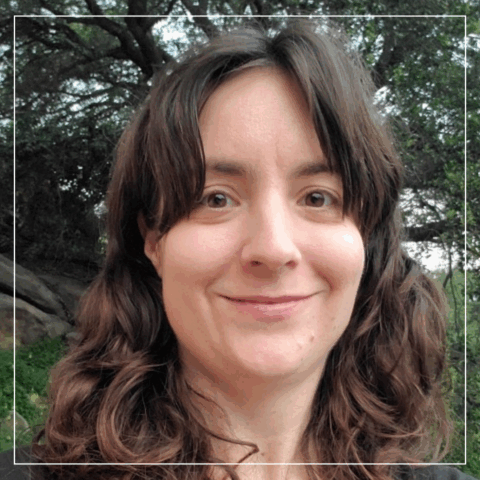
When relationships feel disconnected or weighed down by old patterns, it can be hard to see a way forward.
That’s where Clarisse McLeod, AMFT (she/her), comes in. A Portland-area-based therapist with a warm, creative style and grounded sense of humor, she helps couples and families rebuild trust, understanding, and connection.
Clarisse combines Internal Family Systems (IFS) with mindfulness and her background in mind-body wellness to help clients move from reactivity to repair. She offers IFS-informed, mindfulness-based therapy for couples, families, and individuals in MIlwaukie, Oregon, with telehealth available statewide.
“A lot of times, the best way to solve the problem isn’t by solving the problem—it’s by exploring it.”
From Mindfulness to Marriage and Family Therapy
Clarisse’s path into therapy began with her master’s degree in counseling, with a concentration in mindfulness and meditation. Her career has taken her through diverse settings: supporting families in the foster-care system, working with individuals living with severe mental illness, and later helping people adapt during the isolating years of COVID through telehealth.
But what truly drew her in was the relational work.
“Even when I’m counseling an individual,” Clarisse explains, “I still feel like I’m doing marriage and family therapy. We’re all shaped by the families we come from and the relationships we’re in. None of us is an island.”
That perspective—understanding people as part of a broader web of connections—guides every session.
Couples Therapy in Portland with an IFS Lens
Clarisse often uses Internal Family Systems therapy (IFS), a non-shaming, mindfulness-oriented model that helps people understand their “inner parts.” These parts might include a protective people-pleaser, a critical inner voice, or a part that feels deep anger.
Rather than pushing these voices away, Clarisse invites clients to notice them with compassion.
“IFS allows all our parts to be valid,” she says. “Even if we don’t agree with them, they’re all trying to help us with something.”
To make IFS feel more intuitive, Clarisse leans into her natural creativity. She often uses visual metaphors to help clients picture what’s happening inside—like comparing the mind to a “group chat” or describing anxious thoughts as overzealous personal trainers shouting for attention.
Her lighthearted analogies help people exhale. “Clients get it immediately,” she laughs. “It’s like, oh, no wonder I feel pulled in different directions—my parts are just chatting away with different opinions.”
Supporting Couples Through Conflict
In couples therapy, this IFS approach provides a powerful alternative to blame and defensiveness. Instead of asking who’s right or wrong, Clarisse helps each partner pause, notice their inner reactions, and share what different parts of them are saying.
“Conflict isn’t always a problem to fix,” Clarisse explains. “It can be a compass—pointing us toward what still needs healing, or what really matters.”
She brings humor and playfulness into difficult conversations, helping couples see their arguments as dynamic and human—not proof that something’s broken. A conversation that once felt hopeless can suddenly feel like a shared puzzle to solve.
For couples navigating trauma histories, neurodivergence, or old patterns of people-pleasing and resentment, this framework opens space for understanding and compassion. Disagreements are no longer signs of failure; they’re information.
Creating Space for Shame and Shadow Work
A recurring theme in Clarisse’s sessions is dismantling shame. Many clients arrive feeling broken, embarrassed, or frustrated that they “should have figured this out already.”
She normalizes these struggles: “Shame makes people feel like they’re not allowed to even bring their pain into the room. But the truth is, you were doing the best you could with the tools you had.”
She often draws on shadow work, helping clients see that the parts of themselves they dislike may actually hold wisdom.
“It’s okay to disagree with yourself,” she emphasizes. “Dissonance isn’t a bad thing. Those parts often carry important information about old wounds that need healing.”
Clarisse’s sessions often include laughter alongside tears. Her mix of empathy and levity helps clients explore the darker corners of their story without losing hope. By reframing shame as a doorway to understanding, she helps individuals and couples replace judgment with gentleness.
A Whole-Person Approach: Mind, Body, and Daily Habits
Before becoming a therapist, Clarisse was a certified personal trainer, Pilates instructor, and nutrition coach—a background that shapes her holistic understanding of well-being. She knows that the body keeps score, and that emotions often surface as tension, fatigue, or restlessness.
Simple daily habits—like going for a short walk, practicing mindful breathing, or eating in ways that support focus and energy—can make therapy breakthroughs more sustainable.
“It’s not about beach bodies,” she says. “It’s about quality of life. Even small changes, like adding movement or balancing nutrition, can make the harder stuff feel a little easier to handle.”
Her background in movement also helps clients feel safe reconnecting with their bodies. Instead of just talking through anxiety or stress, she might invite someone to notice what it feels like in their shoulders or breath—a gentle bridge between emotional insight and embodied awareness.
In session, therapy stays therapy—her fitness and nutrition background simply informs a realistic, whole-person lens.
Understanding Portlanders’ Unique Challenges
Living and working in Portland shapes Clarisse’s understanding of the challenges her clients face. From the lingering effects of COVID to economic pressures and the city’s shifting reputation, Portlanders carry a mix of stressors unique to this time and place.
“There’s this misconception about Portland that weighs on people,” she notes. “But most of my clients are just trying to navigate everyday stress—rising costs, uncertainty about the future, and the normal struggles of relationships and family life.”
Amid it all, she finds that humor can be one of the best coping tools.
“You gotta laugh,” she says. “Sometimes dark humor helps reduce the pressure and makes people feel less alone. It’s another way of calling the problem into the room without bottling it up.”
What Therapy With Clarisse Feels Like
Clients who meet with Clarisse can expect warmth, compassion, and a collaborative spirit. She doesn’t rush to “fix” problems; instead, she helps people slow down, notice what’s really happening, and explore the deeper story behind their struggles.
Her style blends professional expertise with humanity. Whether she’s sharing an analogy about a group chat, encouraging clients to take a “first quiet step” toward healing, or simply listening without judgment, Clarisse makes therapy feel like a safe, grounded space.
Moving Toward Healing
Relationships—whether with a partner, family, or ourselves—are never static. They’re living, changing, and sometimes messy. Clarisse McLeod understands this, and she brings deep respect for each client’s journey.
“It’s always brave to seek help,” she reflects. “Every client who takes that first step is already breaking unhealthy cycles—for themselves and for the generations that follow.”
For individuals, couples, and families in the Portland area seeking a therapist who combines mindfulness, relational wisdom, and down-to-earth compassion, Clarisse offers a path forward.
If you’re ready to take that first quiet step, Clarisse offers in-person sessions in the Milwaukie, WA clinic, as well as telehealth services across Oregon and Washington. Fill out the new client form to begin moving from reactivity to repair.
