Blog Post By Arin Wallington
Meet Therapist Shannon Garcia: Online Art & Somatic Therapy Serving the Portland Metro Area
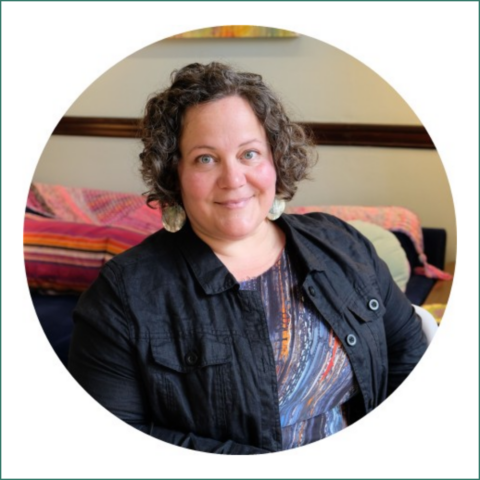
Art therapist Shannon Garcia helps people in the Portland metro area and across Oregon explore emotions, navigate life transitions, and heal through online art therapy. Learn how she combines creativity, compassion, and a deep understanding of the mind-body connection to help clients move forward at their own pace.
What if healing isn’t about removing every obstacle in your life, but learning how to navigate around them?
For Shannon Garcia, an art therapist at Willamette Wellness Center, the answer lies in a river.
“I see wellness as a river. Everybody has their own river,” she explains.
Every healthy river has boulders, logjams, beaver dams, and eddies. Shannon sees these as representations of our experiences, including those that stretch back generations. Some shape the river’s course, while others create obstacles that make it difficult for the water to flow.
Her approach to therapy isn’t about pretending those experiences never happened. It’s about acknowledging them, understanding their impact, and gradually making room for movement.
It’s a fitting philosophy for someone who once spent her free time navigating whitewater rapids. Shannon knows that you can’t control everything a river throws at you. Sometimes you have to change direction or find another way forward.
And sometimes, finding your way forward means letting yourself rest.
That understanding of life’s unpredictable currents is central to how Shannon approaches art therapy—and how she became a therapist herself.
Art Has Always Been Shannon’s First Language
Shannon created her first painting when she was six months old.
“Art is my first language,” she says.
Even today, she notices how sunlight filters through leaves and the small details others might walk past without a second thought. Art isn’t simply something Shannon makes. It’s how she experiences the world.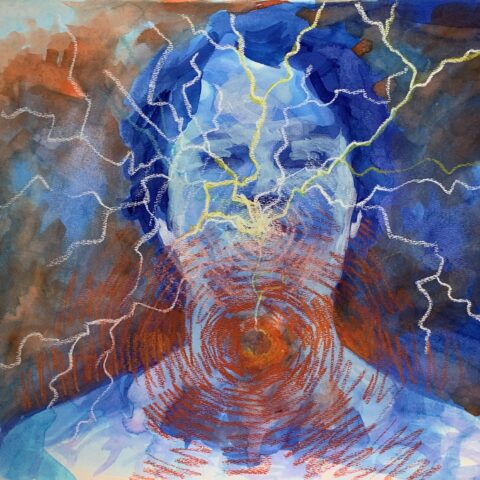
But becoming an art therapist wasn’t part of a carefully mapped-out career plan.
After attending art school, Shannon raised two children, worked in landscape design, and eventually began teaching art at a local nonprofit. She later taught at a K–8 school before opening her own community art studio, where she worked with everyone from toddlers to older adults.
Over time, she noticed that art sometimes brought unexpected emotions to the surface. Someone might be painting when a particular color suddenly reminded them of a grandmother who had died. What began as an ordinary art class could become deeply personal.
Shannon could offer compassion, but she also recognized that something important was happening beneath the surface. She wanted to understand how to help people navigate those moments.
She began exploring art therapy programs, but her plans stalled when Marylhurst University, which housed a local program, announced its closure. Then COVID arrived and halted her community art classes and studio work.
With teenagers at home and her previous work no longer possible in the same way, Shannon decided to pursue graduate school in her 40s.
During her training, she worked with autistic adults at North Pole Studio, supported people experiencing cancer at Legacy Cancer Healing Center, and gained experience working with adolescents at an alternative school. She also pursued additional training in somatic approaches to trauma and Eye Movement Desensitization and Reprocessing (EMDR).
Through those experiences, Shannon began bringing together two things that had always been important to her: her lifelong relationship with art and her awareness of how emotions and experiences can be felt in the body.
You Don’t Have to Be an Artist to Benefit From Art Therapy
One of the first things people often tell Shannon when they learn she’s an art therapist is that they aren’t artistic.
Maybe they haven’t picked up a paintbrush since elementary school. Maybe someone once told them they couldn’t draw. Or perhaps they remember trying to create something beautiful and feeling disappointed when it didn’t turn out as planned.
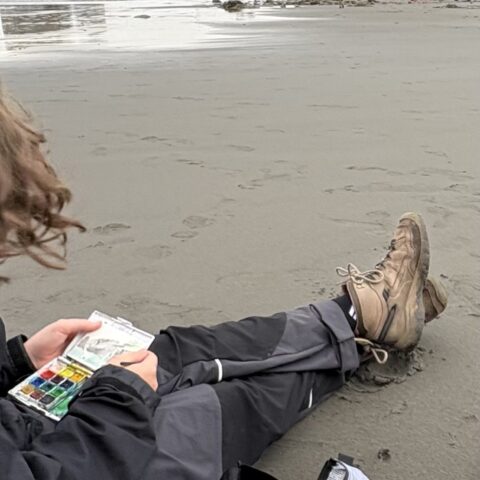 Shannon understands how easily those experiences can change someone’s relationship with creativity.
“Creativity is inherently part of our beings, and then we are told we are not artists, and then we set it down.”
But art therapy isn’t about artistic talent or producing something beautiful enough to hang on a wall. It’s about what happens when someone engages with art materials.
Sometimes that means painting or drawing. Other times, it might involve squeezing clay, experimenting with textures, or running your fingers through kinetic sand. There’s no expectation that the result should look a certain way — or that there even needs to be a finished piece.
“The point is to either process emotions, gain insight, or challenge beliefs,” Shannon explains. “It’s not necessarily to make a product. It’s process-oriented.”
Imagine working with watercolor and watching the paint spread somewhere you hadn’t intended. You might immediately decide you’ve ruined the painting or feel frustrated because the result isn’t perfect.
For Shannon, reactions like these can offer a starting point for exploring larger patterns. Where did the expectation to get everything right come from? Does that same pressure show up elsewhere in your life?
But art therapy isn’t just about exploring thoughts and emotions. It’s also a physical experience.
She explains that art therapy is inherently somatic because working with art materials involves movement, touch, and physical sensations.
Working with clay, swirling paint, or drawing engages more than your creativity. Shannon explains that these physical experiences can help people notice feelings and sensations they might not otherwise recognize.
Shannon also draws on the Expressive Therapies Continuum (ETC), a framework for understanding how people engage with art on sensory, emotional, and cognitive levels. Even the feel of a pen in someone’s hand can reveal their sensory experience. Instead of relying entirely on conversation, they have another way to explore what they’re experiencing.
Her approach is highly personal. Some people may prefer the structure of pencils and paper, while others enjoy the sensory experience of clay. She pays attention to how each person responds, particularly when working with neurodivergent clients who may have strong preferences about textures or visual stimulation.
Even Shannon’s own surroundings reflect that awareness. She loves colorful art supplies but often wears black because too much visual stimulation can become distracting.
For someone who has spent years trying to explain their feelings through words alone, art therapy can offer another way to understand what’s happening inside.
Making Space for Change, One Session at Time
Shannon primarily works with adults, including many who are navigating significant life transitions.
She frequently sees people in their late 40s and early 50s who are reconsidering beliefs, relationships, and expectations they’ve carried for years. Some are experiencing perimenopause or menopause. Others are questioning the roles they’ve spent much of their lives fulfilling.
Shannon describes this stage of life as both disruptive and aligning. People may begin to recognize situations they’ve tolerated for years, notice physical and emotional changes, or question expectations that once seemed unquestionable. 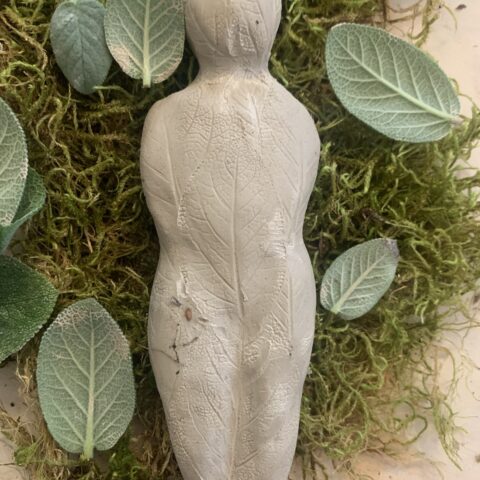
Art therapy offers opportunities to explore those experiences without needing to have all the answers. Because creative engagement involves both mind and body, it can offer different starting points for people who find certain feelings hard to put into words.
Whatever brings someone to therapy, Shannon believes the process should happen at their pace.
“It means a lot of consent,” she says. “And going really slowly, sometimes slower than somebody would like to, because they want to make change right away.”
When someone has spent years feeling anxious, overwhelmed, or burdened by difficult experiences, it’s understandable that they want relief. But Shannon knows that pushing too quickly can be overwhelming, especially for people whose past experiences left them with little control over what happened to them.
That means checking in regularly, respecting boundaries, and recognizing when someone needs to slow down. Shannon also draws on her somatic training to notice nonverbal communication and physical responses, while inviting clients to share whether her observations resonate with their experience.
Sometimes art therapy provides the starting point for exploring difficult feelings. At other times, she may incorporate somatic techniques or EMDR depending on the client’s needs and goals.
Shannon particularly enjoys her six-month check-ins with clients because they offer an opportunity to recognize gradual changes.
Someone might realize they’re feeling brighter or finding pleasure in something again. Others may recognize progress they hadn’t noticed until they had a chance to reflect.
“I always like it when people start to look and feel lighter,” she says.
Those moments are meaningful to Shannon. They’re a chance to celebrate the changes her clients have made, even when they happen a little at a time.
Sometimes the Best Thing You Can Do Is Rest
Outside her work as a therapist, Shannon loves spending time in nature. If she could choose another life, she imagines living near the coast and taking people into the woods as a wilderness guide.
She’d still be making art, of course. As she explains, that’s one part of herself she can’t leave behind.
Her years as a whitewater kayaker have also given her a vivid way of understanding life’s challenges.
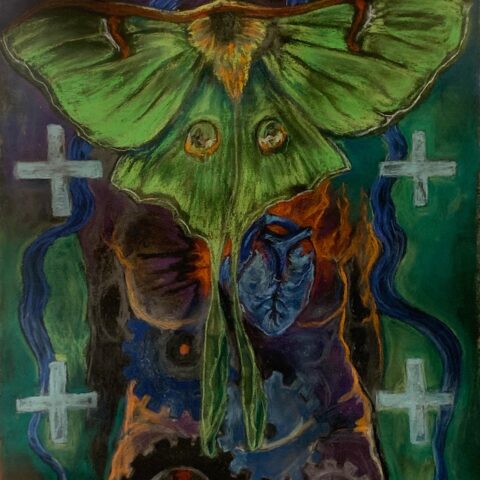 A river is always changing. Water moves around rocks, gathers behind fallen trees, and sometimes forms swirling currents called eddies.
An eddy might look like a place where forward progress stops. But Shannon sees something different: a place to rest.
It’s a deceptively simple idea, especially for people who have spent their lives believing they must always keep moving, improving, or fixing whatever feels wrong.
Sometimes you need a quiet place to catch your breath before deciding where you’d like to go next.
You don’t have to navigate every obstacle at once. You can move at your own pace.
And if you need to spend a little time in an eddy?
That’s okay, too.
After all, as Shannon points out, it’s a great place to stop for a snack.
Interested in Art Therapy With Shannon?
Shannon Garcia offers online art therapy through Willamette Wellness Center, a mental health practice based in Milwaukie, Oregon, serving the greater Portland area and clients throughout the state via telehealth.
She works with adults navigating trauma, major life transitions, and emotional challenges, integrating art therapy with somatic approaches and EMDR when appropriate.
Curious whether art therapy could be right for you? Contact Willamette Wellness Center to learn more about Shannon’s availability and how to get started.
All artwork by Shannon Garcia
